Discover what makes someone an ideal candidate for laser hair removal, how skin tone and hair color affect results, preparation tips, and realistic expectations.
Laser hair removal is a good option for people who want to reduce unwanted hair and enjoy smoother skin for a longer time. The best candidates are generally healthy individuals with unwanted, dark hair and skin that can be safely treated with the appropriate laser technology. However, modern laser devices can treat a wider range of skin tones than older systems. Hair color, skin tone, medical history, medications, and recent sun exposure all play an important role in determining whether someone is suitable for the treatment. A consultation with a qualified laser professional or dermatologist is the best way to find out if laser hair removal is right for you.
Laser hair removal is a cosmetic procedure that uses concentrated light energy to reduce unwanted hair. The laser targets the pigment (melanin) inside the hair. This light energy turns into heat, which damages the hair follicle and slows down future hair growth.
The treatment can be used on different areas of the body, including:
Unlike shaving and waxing, laser hair removal offers longer-lasting hair reduction. However, it usually requires multiple sessions because hair grows in different stages.
Hair color is one of the most important factors when deciding whether someone is a good candidate for laser hair removal.
Laser technology works by targeting melanin, the pigment responsible for hair color. Dark brown and black hair generally contain more melanin, making them easier for the laser to detect.
People with the following hair colors may respond differently:
If you have very light or gray hair, a dermatologist can discuss alternative hair removal options.
Many people believe laser hair removal is only suitable for individuals with fair skin. This is not completely true.
Older laser technologies worked best on light skin with dark hair because they could distinguish between the pigment in the hair and the surrounding skin more easily.
Modern laser systems offer more treatment options for different skin tones.
For example:
Choosing the correct laser is important because unsuitable settings can increase the risk of burns, pigmentation changes, and skin irritation. For clinic safety protocols and skin typing principles, consult our laser safety guide for darker skin (Fitzpatrick Types IV to VI).
Hair thickness also affects how well laser hair removal works.
Thick and coarse hair usually contains more pigment than fine hair. This allows the laser to target the hair follicle more effectively.
For example, someone with thick, dark underarm hair may see better results than someone with very fine facial hair.
Laser hair removal can still be considered for fine hair, but results may be less predictable. A professional should examine the hair before recommending treatment.
If you regularly experience ingrown hairs, razor bumps, or skin irritation after shaving, laser hair removal may be a helpful option.
Ingrown hairs develop when shaved or removed hair grows back into the surrounding skin. This can cause small bumps, redness, itching, and sometimes infection.
Laser hair removal reduces hair growth over time, which may help reduce problems associated with frequent shaving and waxing.
It can be especially helpful for people who experience:
However, existing skin infections or active irritation should be assessed before starting treatment.
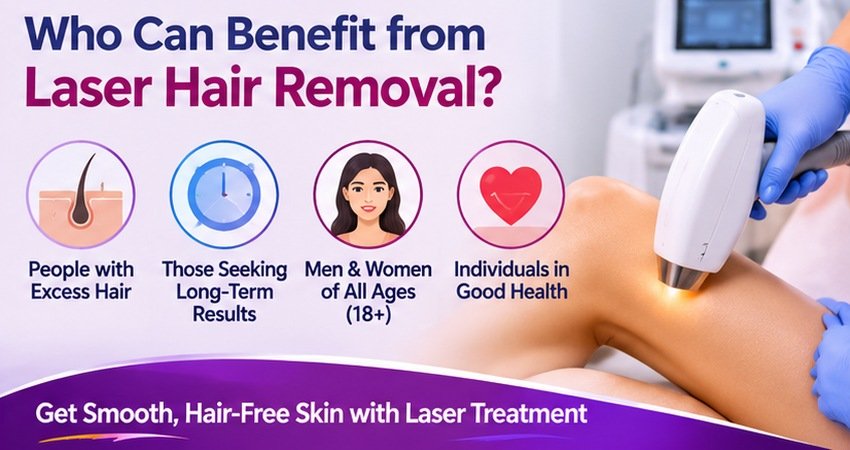
Laser hair removal is suitable for people who are tired of removing unwanted hair regularly.
Shaving usually needs to be repeated every few days, while waxing requires regular appointments. Laser treatment offers a longer-term approach by reducing hair growth.
It may be a good choice if you:
It is important to understand that laser hair removal does not guarantee completely permanent hair removal. Some hair may grow back, but it is often thinner, lighter, and less noticeable. Maintenance sessions may also be needed.
Having realistic expectations is another important part of being a good candidate for laser hair removal.
Some people expect all their hair to disappear after one or two sessions. However, this treatment requires patience because hair grows in different stages.
Laser treatment works most effectively when hair is in its active growth phase. Since not every hair is in this stage at the same time, multiple sessions are necessary.
Most people need around six or more treatments, although the exact number depends on:
Some people also need occasional maintenance treatments to manage new hair growth.
Healthy skin can make the laser hair removal process easier and safer.
Before treatment, a professional should examine the treatment area to check for irritation, infection, open wounds, or other skin concerns.
People with the following conditions should discuss them with a dermatologist before starting treatment:
Having a skin condition does not automatically mean you cannot receive laser hair removal. However, the condition may need to be treated or controlled first.
Although laser hair removal works for many people, it may not be suitable for everyone.
Some people may need to delay treatment, while others may benefit more from alternative hair removal methods.
Laser technology depends on pigment in the hair to deliver heat to the follicle. Very light-colored hair generally does not absorb enough laser energy for effective treatment.
People with white, gray, blonde, or red hair may not achieve satisfactory results. Electrolysis may be a better option because it can treat hair without depending on its color.
Recent tanning can increase the risk of burns and unwanted changes in skin pigmentation.
If you have recently spent time in the sun, used a tanning bed, or applied self-tanning products, tell your provider before scheduling treatment. You may need to wait until your tan has completely faded.
Some medications can increase skin sensitivity or affect how your skin responds to laser treatment. For example, isotretinoin and certain other medications may require special precautions. Always share your current medications, including prescription drugs and over-the-counter products, with your dermatologist.
Laser hair removal is generally postponed during pregnancy because there is limited safety research on cosmetic laser hair removal during this period. If you are pregnant, discuss your options with your healthcare provider and consider waiting until after pregnancy.
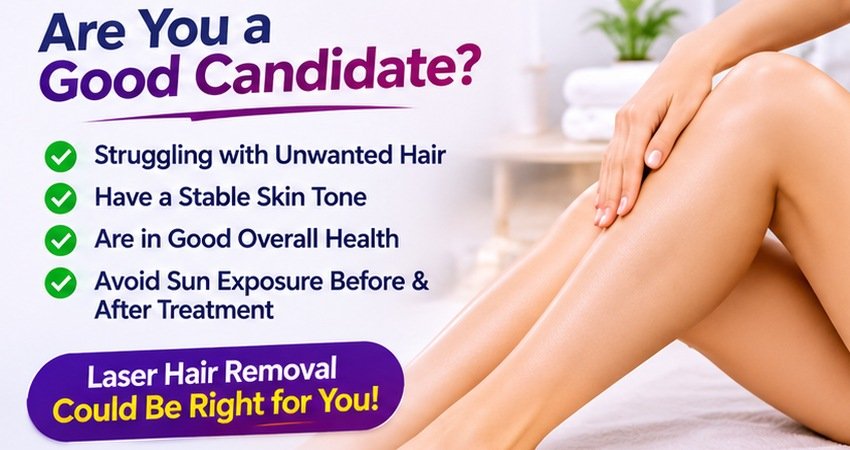
Proper preparation can help reduce the risk of side effects and improve your treatment experience. Here are some important steps to follow before your appointment:
The American Academy of Dermatology recommends discussing your skin type, medications, tanning history, and potential side effects during the consultation.
Understanding the treatment process can help you feel more comfortable before your first appointment. A typical session includes the following steps:
Step 1: Skin Assessment
The professional examines your skin and hair to select an appropriate laser and treatment settings.
Step 2: Cleaning the Treatment Area
The skin is cleaned to remove makeup, oils, lotions, and other products.
Step 3: Laser Application
The professional moves the laser device over the treatment area. You may feel a mild snapping or warm sensation during the procedure.
Step 4: Post-Treatment Care
After the session, you may experience temporary redness, swelling, or mild discomfort. These effects usually improve within a few days.
Treatment time depends on the size of the area. Smaller areas, such as the upper lip, take less time than larger areas like the legs or back.

Laser hair removal offers several benefits for people who want to reduce unwanted hair. Some common benefits include:
1. What makes someone a good candidate for laser hair removal?
Someone with unwanted, dark, coarse hair who wants long-term hair reduction is generally a good candidate. People with different skin tones can also qualify when the correct laser technology is used.
2. Can people with dark skin get laser hair removal?
Yes. People with darker skin can receive laser hair removal. However, choosing an appropriate laser, such as a long-pulsed Nd:YAG device when suitable, and working with an experienced professional are important for safety.
3. Does laser hair removal work on blonde hair?
Laser hair removal generally does not work well on blonde hair because it contains less pigment for the laser to target. Electrolysis may be an alternative.
4. How many laser hair removal sessions are needed?
Most people need six or more sessions to achieve noticeable hair reduction. The exact number depends on hair thickness, skin tone, treatment area, and individual growth patterns.
5. Is laser hair removal suitable for men?
Yes. Men can receive laser hair removal on areas such as the back, chest, shoulders, neck, and beard line. It can also help reduce shaving-related irritation and ingrown hairs.
6. Is laser hair removal safe for sensitive skin?
People with sensitive skin may qualify, but they need an individual skin assessment. A qualified professional can recommend appropriate settings and precautions.
7. Does laser hair removal permanently remove all hair?
No. Laser hair removal provides long-term hair reduction rather than guaranteed permanent removal of every hair. Some hair may grow back, and maintenance treatments may be necessary.
Laser hair removal can be an excellent option for people who want to reduce unwanted hair without depending on regular shaving or waxing. People with dark, coarse hair often achieve better results, but modern laser technology has made treatment possible for many different skin tones. Your skin health, hair color, medical history, and expectations all matter when deciding whether you are a good candidate.
Before starting treatment, consult a qualified dermatologist or experienced medical professional. They can evaluate your skin and hair, recommend the right laser technology, and create a treatment plan that suits your needs. Choosing the right professional is just as important as choosing the right treatment.
Looking to equip your clinic with professional laser hair removal systems? Contact Rohaan Traders to learn about our certified diode laser machines, Nd:YAG systems, comprehensive operator training, and reliable warranty support in Pakistan.