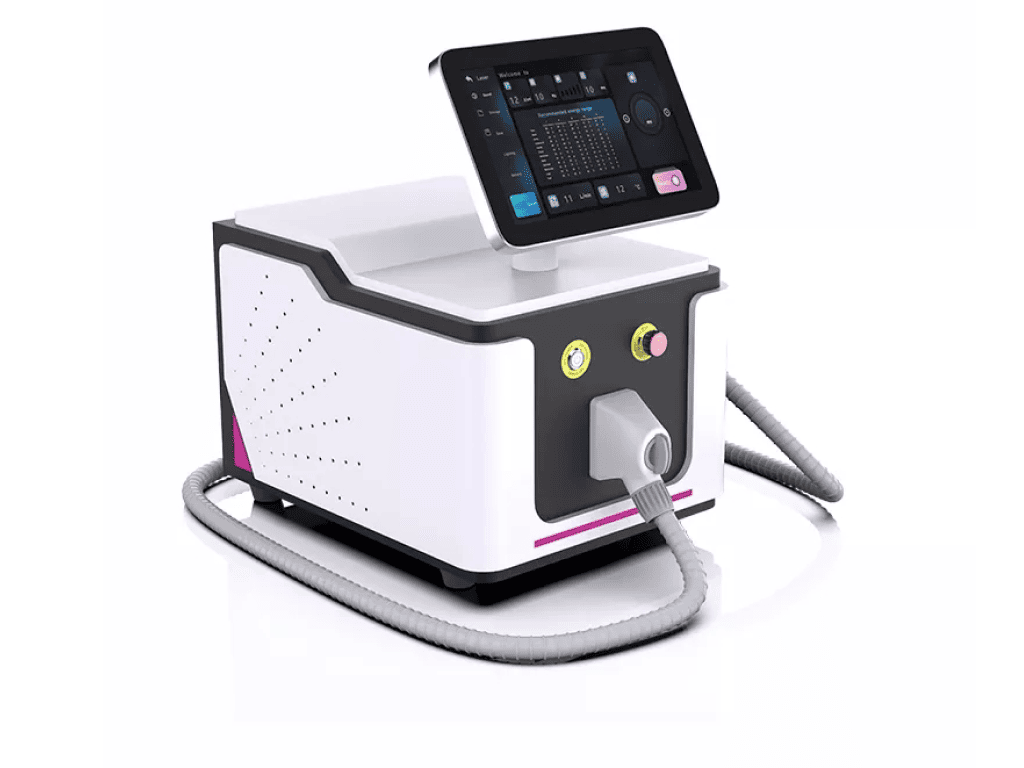
A clinic owner's guide to treating darker skin safely with aesthetic lasers — covering Fitzpatrick skin typing, wavelength choice, test spots, cooling, settings, aftercare, and risk management.
Treating darker skin safely with an aesthetic laser depends on four things: correct Fitzpatrick skin typing, a wavelength that is absorbed less by skin melanin, conservative settings with effective surface cooling, and a trained operator who performs a test spot and follows structured aftercare. Done well, laser hair removal and pigment treatments are routinely performed on Fitzpatrick types IV to VI. Done badly, the same treatment can cause burns, blistering, and lasting pigment change, which is why a clinic serving South Asian clients should build its protocols around skin safety before it builds its price list.
This guide explains how skin typing works, why melanin raises risk, which wavelengths are generally favored, how to run a test spot and set parameters, and what to tell clients before and after treatment.
The Fitzpatrick scale classifies skin into six types based on how it reacts to sun exposure, from type I (very fair, always burns) to type VI (deeply pigmented, rarely burns). It is the standard starting point for choosing laser parameters, because the amount of melanin in the skin largely determines how much laser energy the skin surface absorbs.
Simplified scale:
Many clients in Pakistan fall in the types III to V range, with significant variation by region and by tan level at the time of treatment. A client's type is not fixed, since a recent tan can temporarily move someone up a category, so assess the skin you see on the day, not only the skin the client describes.
Darker skin is higher risk because the epidermis contains more melanin, which absorbs laser light, so the laser cannot easily separate melanin in the hair or pigment target from melanin in the surrounding skin. When the skin surface absorbs too much energy, the result can be thermal injury.
Shorter wavelengths are absorbed more strongly by surface melanin, and longer wavelengths penetrate deeper and are absorbed less by the epidermis, which is why wavelength selection is the first safety decision.
Possible adverse effects when parameters are wrong:
Mild redness and small bumps around follicles right after treatment are common and normally settle within hours.
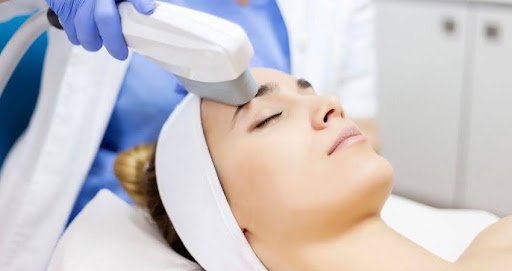
The 1064 nm Nd:YAG wavelength is the long-standing option for darker skin because its longer wavelength is absorbed less by epidermal melanin, and some clinics also use longer-wavelength or longer-pulse diode systems with strong contact cooling under experienced operators. Dermatology guidance generally advises caution or avoidance with shorter wavelengths on the darkest skin.
General wavelength guidance (confirm with your device's manufacturer protocol and a qualified clinician):
This is why clinic owners should ask every supplier which skin types a device is designed and validated for, and which handpiece and cooling options come with it. Explore our Q-switched Nd:YAG, diode laser, and IPL systems for how each works.
A safety consultation records everything that could change how the skin reacts, and it should be completed and documented before any laser pulse is delivered.
Consultation checklist:
A test spot is a small treatment on an inconspicuous area, performed before the full treatment, to see how the client's skin responds to the chosen parameters. It is a standard safety step for darker skin, and a clinic should wait the interval its protocol requires and examine the area before treating a larger zone.
Test spot best practice:
Settings control how much energy reaches the target versus the skin surface, and for darker skin the usual principle is to protect the epidermis with longer pulse durations, careful fluence, and effective cooling while still delivering enough energy to the follicle or target.
Core principles:
Exact values depend on the machine, so follow the manufacturer's validated parameter tables and your training, and keep a written parameter log for every client.
Clear instructions before and after treatment protect the skin and protect the clinic, because many pigment problems follow sun exposure and picking rather than the laser itself.
Before treatment:
After treatment:
Most hair removal clients need about 6 to 8 sessions spaced roughly six weeks apart, and skin tone does not by itself change the number, though coarse or dense hair and hormonal conditions can add sessions. Only a share of follicles are in the active growth phase at any time, so repeat sessions catch follicles as they enter it. Setting this expectation at the consultation reduces complaints and supports package sales, which helps your return as covered in our aesthetic machine ROI guide.
A safer clinic protocol combines a validated device, trained staff, written procedures, and good documentation, so safety does not depend on one person's memory.
Protocol essentials:
Rohaan Traders supplies devices with CE certified training so your team learns to assess skin types, set parameters, and manage cooling before they treat clients. Every machine comes with a 1 year warranty and 24/7 engineering support from Karachi and Dubai, so a device fault does not leave you guessing about energy delivery. Explore the full machine range, read about our after-sales support, and learn more about Rohaan Traders. If you are still choosing equipment, our guide on how to choose your first aesthetic machine helps match a device to your client base.
Is laser hair removal safe for dark skin?
It can be safe when the right wavelength, settings, cooling, and trained operator are used, but incorrect parameters on darker skin can cause burns and pigment changes, so skin typing and a test spot are essential.
Which laser is best for Fitzpatrick type V skin?
The 1064 nm Nd:YAG is the long-standing choice for darker skin, and some diode systems with long pulses and strong cooling are also used by experienced operators, so confirm the device is validated for the skin type.
Is IPL safe for darker skin?
Broad-spectrum IPL is generally not recommended for hair removal on Fitzpatrick types V and VI, so use a laser designed for darker skin instead.
Do darker skin clients need more sessions?
Not because of skin tone alone, and most clients need about 6 to 8 sessions regardless, though coarse or dense hair and some hormonal conditions can add sessions.
What is a test spot and do I always need one?
A test spot is a small trial treatment on an inconspicuous area to check skin response, and it is standard best practice for darker skin and for any new client or new parameter.
What should I do if a client develops a burn or blister?
Stop treatment, cool the area, advise gentle care, document the event, and refer the client to a dermatologist or physician promptly.
Want training and equipment that fit your client base? Contact Rohaan Traders to discuss which machines and protocols suit your clinic.
This article is general information for clinics and is not medical advice. Always follow your device manufacturer's validated protocols and consult a qualified physician or dermatologist for clinical decisions.
Sources: